Reliable Commercial Architecture Services for Enterprises
Progressive Architecture Concepts: Discovering the Advantages of Professional Architecture Services
Groundbreaking building designs play an essential role in influencing contemporary spaces. Through emphasizing sustainability and functionality, designers can build settings that align with community needs. Blending eco-conscious resources and smart solutions improves energy performance while encouraging community engagement. As these innovations progress, they adapt to the needs of inhabitants and embrace local culture. The central challenge endures: how do these elements converge to reshape our cities and elevate human well-being?
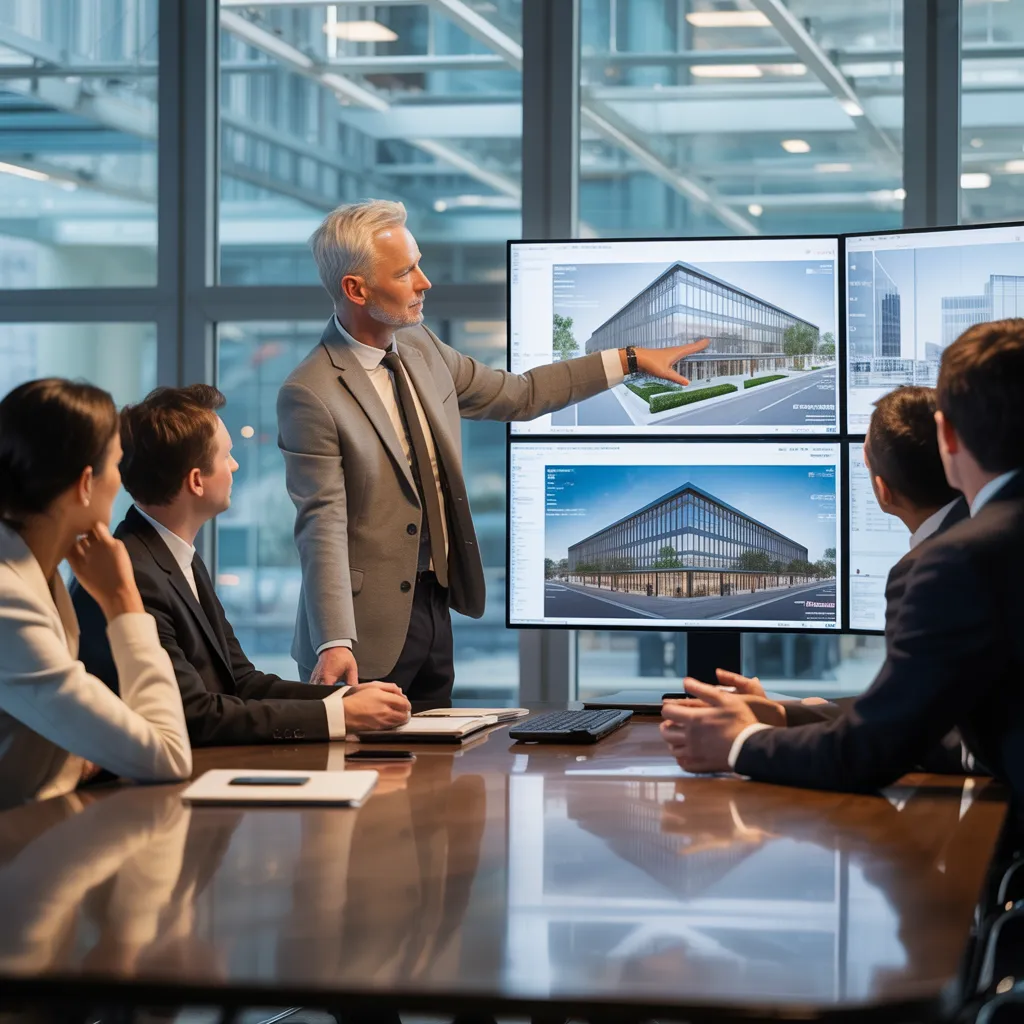
How Architects Contribute to Building Sustainable Spaces
Architects hold an essential role in the shaping of sustainable spaces, considerably impacting the ecological footprint of built environments. Their expertise allows for the incorporation of green building materials, energy-saving systems, and creative design strategies that minimize resource consumption. Through a focus on sustainability, architects can create structures that minimize greenhouse gas output and optimize energy output.
Collaboration with technical experts and environmental consultants is crucial in this process, guaranteeing that designs satisfy both visual and practical requirements while following sustainable practices. In addition, architects thoughtfully evaluate the surrounding ecosystem, fostering biodiversity and weaving in natural components that establish a cohesive relationship between constructed and natural spaces.
With careful consideration, architects promote the use of sustainable energy options, such as solar panels or wind turbines, which additionally advances sustainable objectives. In the end, their responsibilities reach far beyond building; architects transform the trajectory of city environments by nurturing a focus on sustainable practices and conscientious planning.
Leading Innovations in Architectural Design That Boost Functionality
Numerous innovations in modern architecture are reshaping how contemporary spaces operate. One significant breakthrough is the integration of smart technology, allowing buildings to adapt to users' needs through self-regulating lighting, environmental controls, and safety mechanisms. These systems promote improved energy efficiency while elevating the comfort of building occupants.
Additionally, modular construction techniques are gaining traction, allowing for quicker assembly and enhanced design flexibility. Such constructions can be readily modified or scaled up, making them suitable for various uses.
Biophilic design, which incorporates organic components into building design, promotes well-being and productivity, nurturing a connection between building users and the spaces they inhabit.
Additionally, open floor plans continue to gain popularity, enabling flexible spaces capable of accommodating various activities.
Finally, eco-friendly materials are being employed not only for their sustainability but also for their aesthetic appeal and durability, enhancing the overall functionality of modern structures. Collectively, these developments result in more versatile and optimized architectural outcomes.
How Design Unites Communities
Planning serves a fundamental purpose in fostering connections within neighborhoods, creating environments that promote collaboration and communication among community members. Strategically crafted recreational areas, plazas, and communal areas function as vital social hubs, promoting social engagement and a feeling of community. Design elements such as expansive floor plans and versatile areas facilitate avenues for local activities and activities, elevating the overall quality of life.
Moreover, designs that incorporate local culture and traditions create a distinctive sense of identity, allowing residents to feel more connected to their surroundings. By prioritizing accessibility and inclusivity, architects guarantee that everyone, regardless of age or ability, can participate in community life.
The inclusion of natural components, such as parks and leisure spaces, further enriches the consult this source community experience, offering residents a sanctuary and a space for collective recreation. At its core, deliberate architectural design not only transforms physical spaces but also strengthens the bonds that hold communities together.
Improving Energy Efficiency Through Skilled Architecture
A significant shift in favor of sustainable energy use is transforming the architecture landscape, spurring the development of groundbreaking solutions that reduce ecological footprint. Professional architectural services serve a vital function in this change by incorporating sustainable practices into the design process. These design professionals assess energy consumption patterns and employ advanced materials, such as superior insulation systems and energy-efficient windows, to lower heating and cooling demands.
In addition, the adoption of clean energy technologies, like solar panels and geothermal systems, not only reduces fossil fuel consumption but also lowers operational costs for building owners. Smart building technologies additionally improve overall energy performance, providing instant oversight and regulation of energy usage.
With careful planning and creative design, expert architects create spaces that not only adhere to rigorous environmental standards but also encourage lasting sustainability. This emphasis on energy efficiency ultimately contributes to a greener planet and more robust communities, underscoring the vital role of architecture in tackling climate change.
Thriving Urban Landscape Makeovers
One striking instance is the rejuvenation of neglected waterfront areas into dynamic recreational areas, complete with walking paths, parks, and cultural installations. These changes do more than improve the scenery, as they also invigorate surrounding economies by drawing in visitors and commercial enterprises.
Moreover, skilled urban design acknowledges the unique qualities of a community, ensuring that each transformation embodies its history and culture. This tailored approach nurtures a sense of belonging among residents, motivating care for the environment. In essence, impactful urban transformations showcase the potential of urban planning to transform the urban environment and support environmentally conscious communities.
Where Is Innovative Architecture Headed?
How can innovative architecture continue to adapt and respond to the evolving needs of society? As urban environments grow increasingly complex, architects are tasked with addressing pressing challenges such as sustainability, affordability, and social equity. Emerging technologies, including artificial intelligence and advanced materials, offer new avenues for design, enabling more efficient construction processes and enhanced energy performance.
Moreover, architects are progressively partnering with various stakeholders, from community members to ecology specialists, making sure designs capture the priorities and requirements of those they serve. Such an inclusive strategy cultivates resilience, allowing structures to adapt to evolving environmental conditions and community needs.
In addition, the integration of biophilic design principles promotes overall well-being, connecting inhabitants with nature. As the architectural landscape evolves, the focus on groundbreaking solutions will remain paramount, motivating the discipline to develop areas that are both functional and transformative for future generations.
Common Questions and Answers
How Do Architects and Engineers Collaborate on Projects?
Architects partner with engineers by combining design principles with technical specifications, maintaining structural stability and operational efficiency. Frequent meetings enhance communication, permitting both parties to resolve issues and improve project results through collaborative knowledge and creative approaches.
What Are the Expenses Involved in Hiring an Architect?
The costs associated with hiring an architect commonly consist of architectural design fees, project management costs, and potential supplementary charges for site inspections or consultations. These fees can fluctuate substantially based on project complexity and location.
How Much Time Does the Architectural Design Process Usually Take?
The architectural design process typically takes several months, depending on project scope and the requirements of the client. Factors such as permitting, project revisions, and contractor management may also affect the overall timeline, commonly adding considerable time to the process.
Can Architects Help With Zoning and Permit Applications?
Absolutely, architects are able to help with zoning applications and permit requests. Their professional skills help address challenging regulatory frameworks and guarantees compliance with local codes, simplifying the overall process and enhancing the probability of obtaining necessary approvals for development projects.
What Qualifications Should I Consider When Choosing an Architect?
When choosing an architect, one should prioritize qualifications such as education, licensing, experience in relevant projects, effective communication abilities, and a portfolio showcasing creativity and problem-solving skills. Relevant specializations should also be considered according to the requirements of your project.